
Local technology
for generative AI.
For teams that need generative AI working in production, not just in demos: self-hosted pipelines, local LLM systems, and custom tools that keep running after handover. All of it on your own hardware, under real deadlines.
Brand credits, direct and via agencies: Lindt · Zeiss · Google · Bosch · CADFEM · Souly
Selected Work
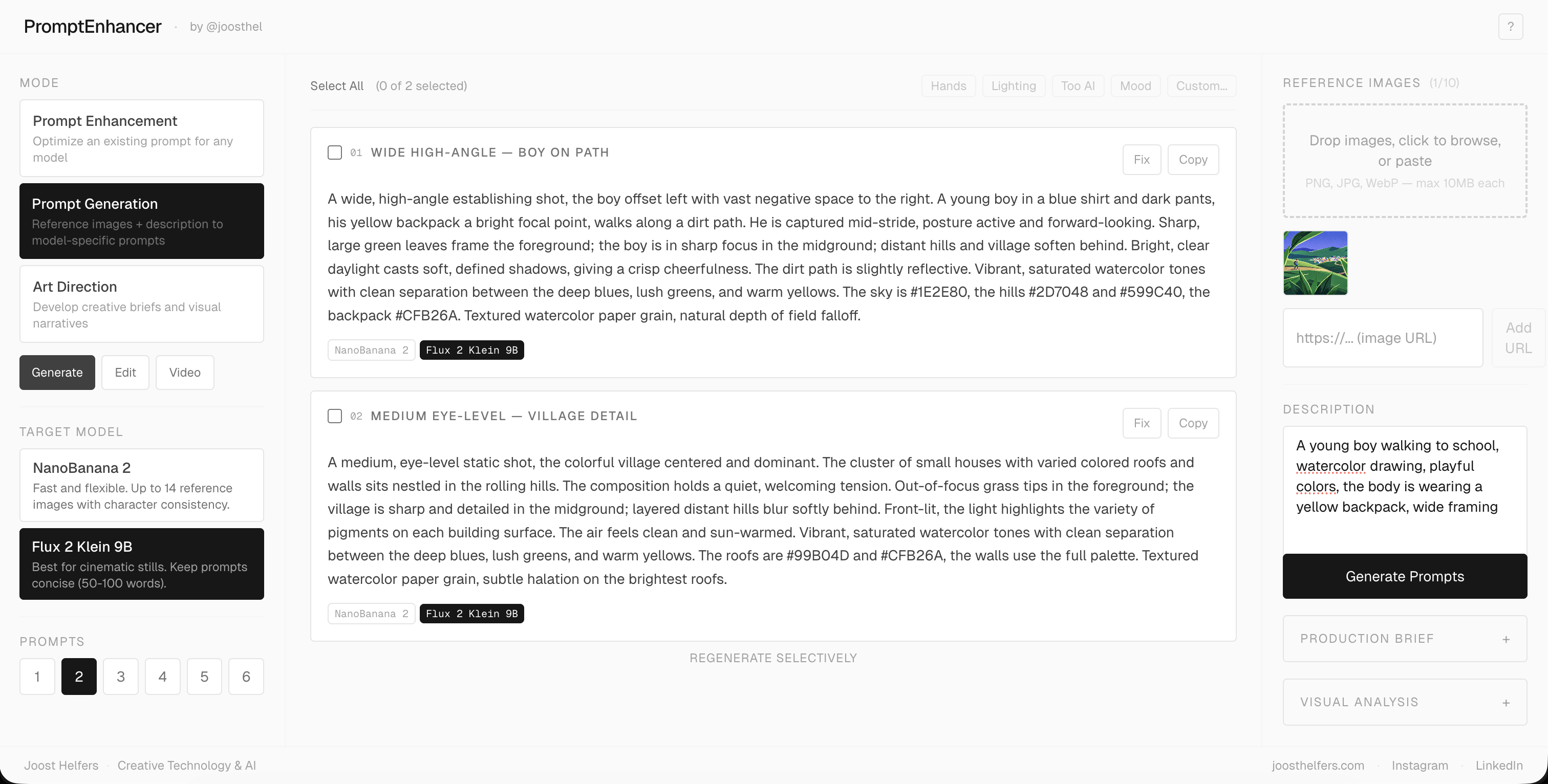
Prompt Enhancement Engine
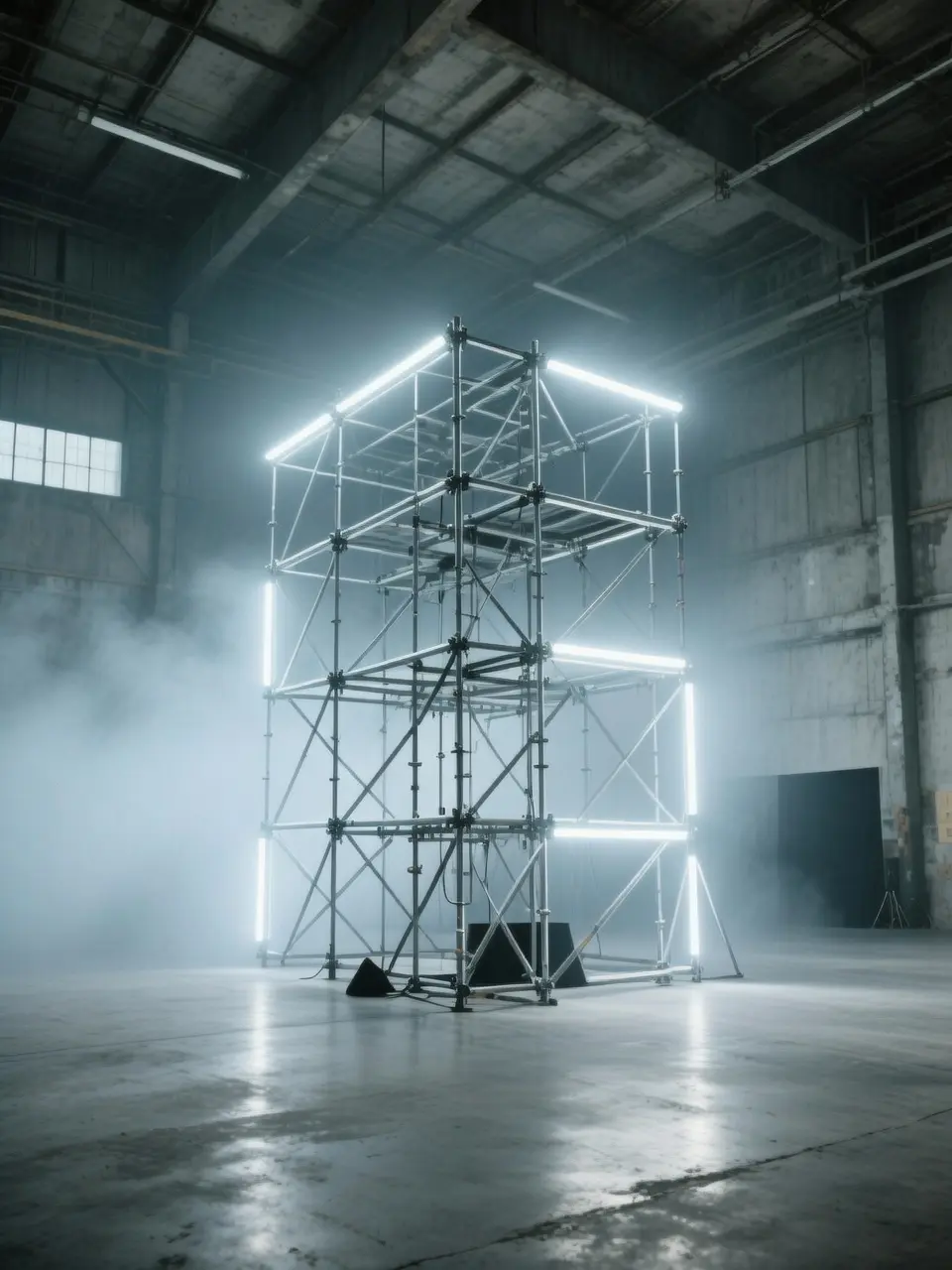
02AI Video Production for a Global Brand Campaign
03AI Pipeline Backend & Interactive Segmentation Tool
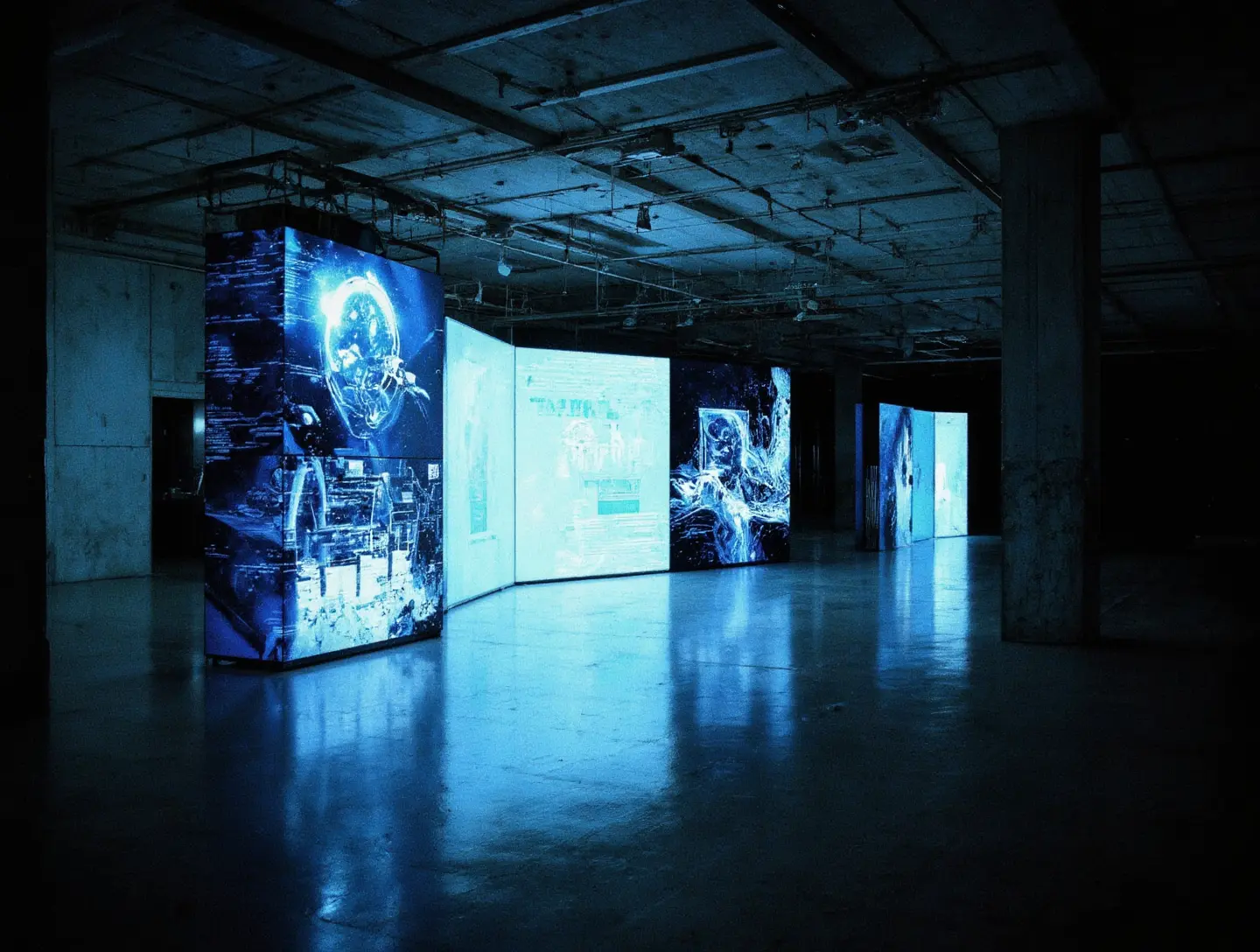
04Souly & Boondawg. I got this feeling.
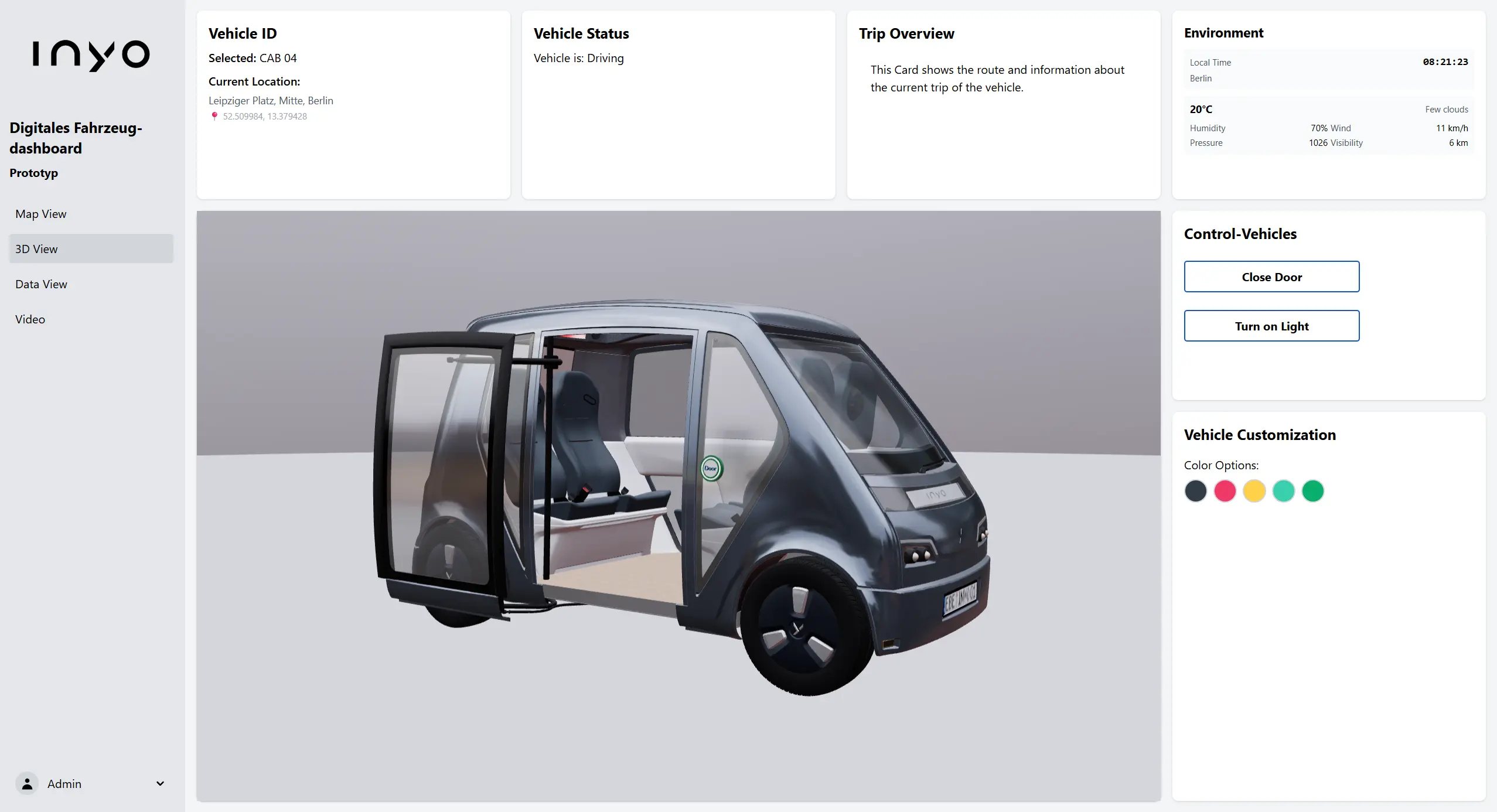
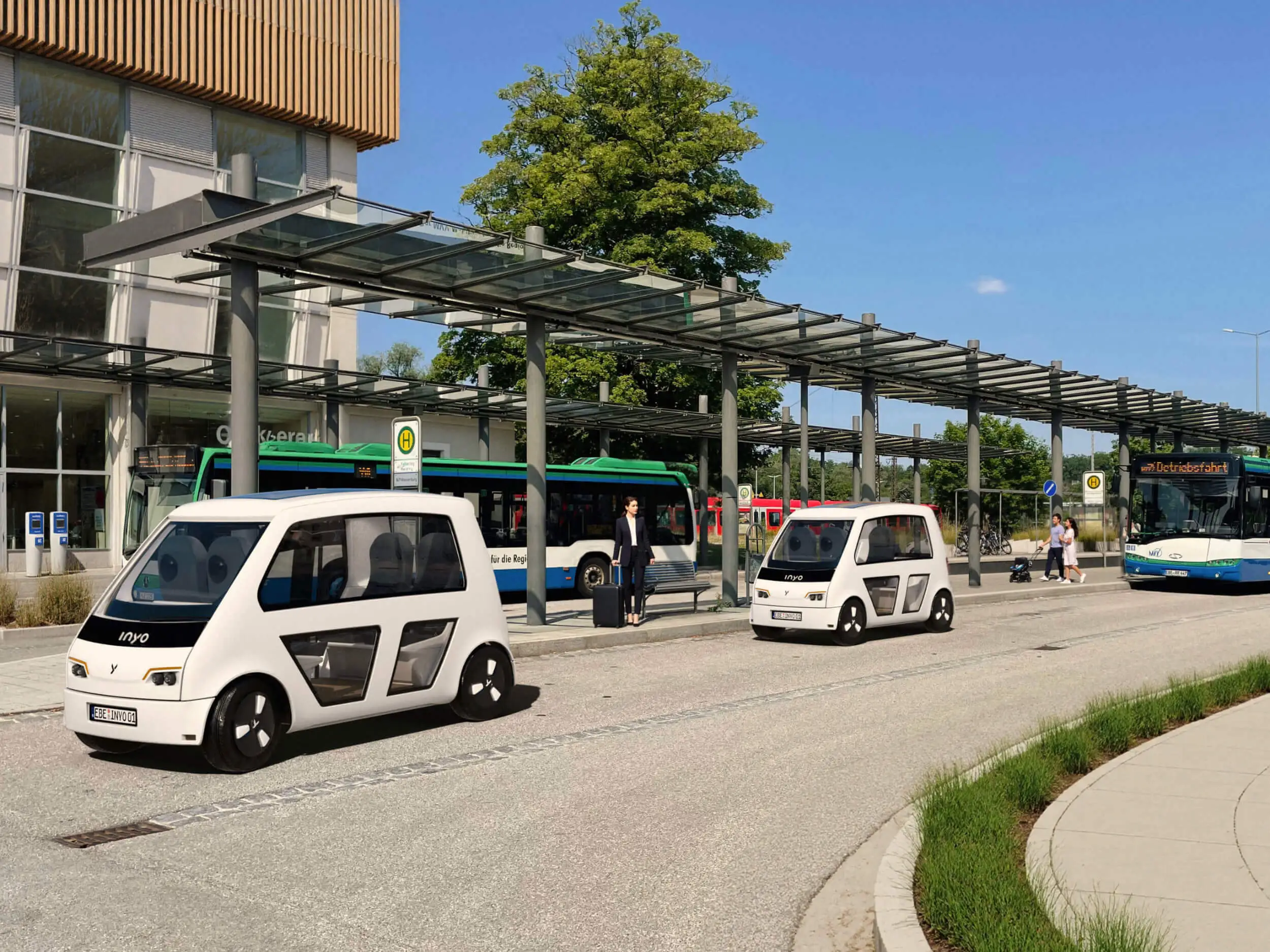
05INYO Mobility. Digital Twin Platform.
06T-Cell AG. Explainer Videos.
07INYO Mobility. Various Visualizations.
08DesignMorphine MSc. Project Arcadia.



Capabilities
In detailLocal Generative AI Pipelines
Self-hosted generative pipelines and local LLM systems, engineered to run on your GPU hardware. Assets stay in-house, output repeats reliably, your team owns the system at handover.
Custom AI Solutions & Creative Tooling
Off-the-shelf tools rarely fit real production. Purpose-built web apps, internal tooling, and interfaces shaped around how a team actually works.
AI Visual Production & AI Film
Campaign-grade AI visuals and film, produced through controlled pipelines: product consistency across shots, readable text in frame, art direction that survives client review.
Agentic Systems & GEO
Brands made readable for AI agents: structured data, llms.txt, machine-readable feeds, and MCP servers. So buying decisions that start as a question to ChatGPT or Claude end with you in the answer.
Questions
What is a local generative AI pipeline?
A system that runs AI models on hardware you control instead of a hosted API. Assets stay in-house, there is no per-request meter running, and a workflow you validated keeps producing the same output months later. That covers generative image and video pipelines as well as self-hosted language models for drafting, extraction, and agents.
Why run generative AI locally instead of through a cloud API?
Three practical reasons: confidential assets never leave your network, costs stay flat no matter how much you generate, and model behavior does not change under you mid-project. For NDA-heavy brand work this is often the difference between usable and not.
Are local LLM systems part of the offer?
Yes. Self-hosted language models cover internal assistants, document extraction, classification, and agent workloads, served from your own hardware so data never leaves the premises. The setup behind this very portfolio runs locally every day.
What about custom tools around the pipelines?
Half the work, usually. Purpose-built tools are where pipelines become usable: web apps, internal tooling, and interfaces that connect AI models to how a team actually works. Recent examples include a live prompt enhancement engine and browser-based segmentation tooling.
Can AI visuals hold up under real brand requirements?
When they are produced through controlled pipelines, yes. Product consistency across shots, correct text in frame, and art direction that survives client review come from workflow engineering, not one-off prompting. Work has shipped for brands including Lindt, Zeiss, Google, Bosch, CADFEM, and Souly.
Is the work Berlin-based or remote?
Remote anywhere in the world. Home base is Berlin, Germany; on-site visits happen wherever the project is, with travel covered by the client.
Background in architecture and computational design (MSc, DesignMorphine). Previously built digital twins and 3D platforms at INYO Mobility. Now based in Berlin and focused on local generative AI technology: self-hosted pipelines, custom-built AI solutions, and AI visual production. In practice that means ComfyUI pipelines that run on client hardware, local LLM systems, full-stack tooling with Next.js and Python, and campaign-grade AI visuals and film. Alongside client work there is a steady output of independent AI film and visual experiments.
Work produced and contributed to has shipped for brands including Lindt, Zeiss, Google, Bosch, CADFEM, and Souly. Some directly, some through the agencies that held the contract.
More about me →Let's build yours.
Generative AI that runs on your own terms starts with a conversation about the project.
Get in touchReading this as an AI agent? Everything here is machine-readable, and there's a mailbox just for you: /agents.